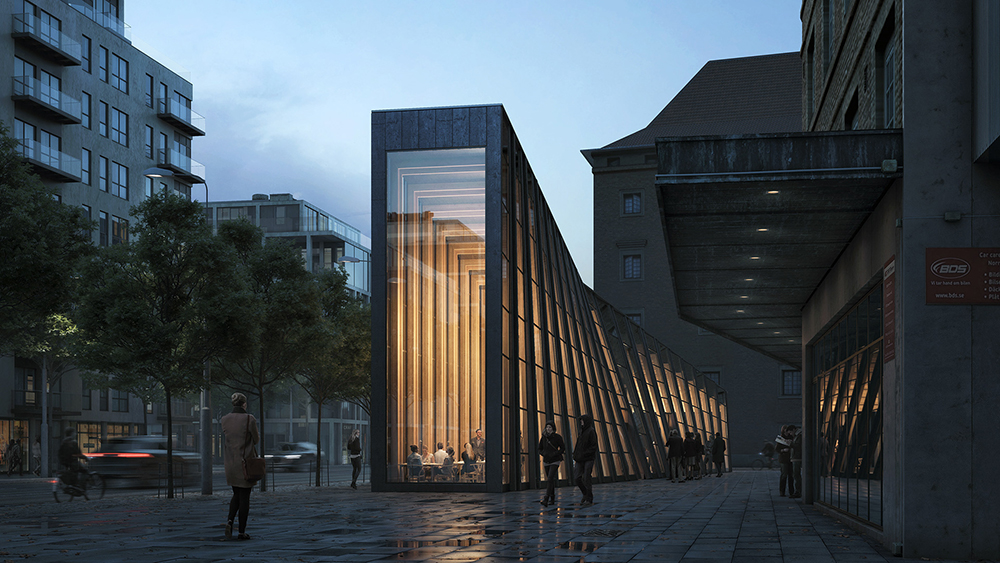

Building the Future: How AEC Professionals are Leading the Way in Creating Smart and Resilient Cities
Welcome to the age of technological advancements and sustainable urban development! The world is rapidly evolving, and so are our cities. In this exciting era, architects, engineers, and construction professionals (AEC) have taken on pivotal roles as catalysts for change. With their visionary ideas and innovative solutions, they are steering us towards smart and resilient cities that can thrive in the face of any challenge. Join us on a journey as we explore how AEC professionals are spearheading this transformative movement and reshaping the future of urban living. From intelligent buildings to eco-friendly infrastructure, get ready to witness the remarkable ingenuity behind building the future!
Introduction: What is AEC and How Can It Help Create Smart Cities?
AEC, or Architecture, Engineering, and Construction, is a comprehensive approach to designing and constructing buildings and infrastructure. AEC professionals are at the forefront of creating smart and resilient cities. They design, build, operate, and maintain the built environment in a way that reduces environmental impact, improves social equity, and strengthens economic activity.
AEC professionals are using their expertise to create cities that are more responsive to the changing needs of residents and businesses. They are developing new methods of construction that minimize waste and maximize resources. And they are incorporating cutting-edge technologies into the design and operation of buildings and infrastructure.
The result is a more sustainable built environment that can better withstand the impacts of climate change. AEC professionals are leading the way in creating smart and resilient cities—and building a better future for us all.
The Benefits of a Smart City
In the face of climate change and other 21st century challenges, cities must become more resilient. A smart city uses technology and data to improve livability, workability, and sustainability. The benefits of a smart city include:
- Improved quality of life: Smart city technologies can improve public safety, healthcare, and transportation, leading to a higher quality of life for residents.
- greater economic opportunities: Smart cities are more attractive to businesses and investors, leading to increased economic activity and job creation.
- More sustainable: Smart city technologies can help reduce greenhouse gas emissions and water consumption, making cities more sustainable in the long term.
The Challenges Facing AEC Professionals in Building Smart Cities
AEC professionals are on the front lines of creating smart and resilient cities. They are faced with many challenges, including the need to integrate new technologies, design for changing demographics and climate conditions, and ensure the safety and security of citizens.
In order to meet these challenges, AEC professionals must be at the forefront of innovation. They must embrace new technologies that can help them design smarter and more efficient buildings. They must also be willing to experiment with different approaches to city planning, in order to find solutions that work best for their communities.
AEC professionals must also keep up with changing demographics and adapt their designs accordingly. For example, as the population of cities grows, there is an increasing need for walkable neighborhoods and public transportation options. AEC professionals must be able to create designs that meet these needs while still providing a high quality of life for residents.
AEC professionals must also keep up with changing demographics and adapt their designs accordingly. For example, as the population of cities grows, there is an increasing need for walkable neighborhoods and public transportation options. AEC professionals must be able to create designs that meet these needs while still providing a high quality of life for residents.
AEC professionals must also keep up with changing demographics and adapt their designs accordingly. For example, as the population of cities grows, there is an increasing need for walkable neighborhoods and public transportation options. AEC professionals must be able to create designs that meet these needs while still providing a high quality of life for residents.
AEC professionals must also keep up with changing demographics and adapt their designs accordingly. For example, as the population of cities grows, there is an increasing need for walkable neighborhoods and public transportation options. AEC professionals must be able to create designs that meet these needs while still providing a high quality of life for residents.
AEC professionals must also keep up with changing demographics and adapt their designs accordingly. For example, as the population of cities grows, there is an increasing need for walkable neighborhoods and public transportation options. AEC professionals must be able to create designs that meet these needs while still providing a high quality of life for residents.
AEC professionals must also keep up with changing demographics and adapt their designs accordingly. For example, as the population of cities grows, there is an increasing need for walkable neighborhoods and public transportation options. AEC professionals must be able to create designs that meet these needs while still providing a high quality of life for residents.
AEC professionals must always consider the safety and security of citizens when designing buildings and infrastructure. They must consider both physical threats (such as crime or natural disasters) and cyber risks (such as hacking or data breaches). By being aware of these potential dangers, AEC professionals can help make sure that cities are prepared for whatever comes their way.
The Technologies Driving Smart City Development
AEC professionals are on the forefront of developing and implementing technologies that make cities more loveable, sustainable, and resilient. Here are some of the cutting-edge solutions they are working on:
- Intelligent transportation systems that use data and analytics to optimize traffic flow and reduce congestion.
- Sustainable building design and construction methods that minimize environmental impact.
Renewable energy solutions that help cities meet their carbon reduction goals.
Smart water management systems that improve water efficiency and prevent flooding.
Resilient infrastructure systems that can withstand extreme weather events and other shocks.
Case Studies of Successful Smart Cities
As the world becomes more urbanized, the need for smart and resilient cities becomes more pressing. AEC professionals are at the forefront of creating these kinds of cities. Here are some case studies of successful smart cities that illustrate what is possible:
- San Francisco, USA: San Francisco is a leader in using technology to improve city operations and engage citizens. The city has apps for everything from parking to 311 requests, and is constantly experimenting with new ways to use data to improve services. For example, the city recently used data analytics to improve street cleaning operations, resulting in a cleaner city with less litter.
Boston, USA: Boston has also been a pioneer in using technology to make city operations more efficient and responsive. The city has developed an open data platform that makes it easy for developers to create applications that solve civic issues. One popular app built on this platform helps residents find public parking spaces in real time, saving them time and frustration.
Rio de Janeiro, Brazil: Rio de Janeiro is using data and technology to make its famed Carnaval celebrations even better. The city has developed an app that provides live updates on parade routes and event schedules, as well as information on where to find food and drink vendors. This helps reduce congestion and makes the experience more enjoyable for everyone involved.
Barcelona, Spain: Barcelona is often cited as a model for other cities looking to become more sustainable and livable. The city has made significant investments
Ways for AEC Professionals to Get Involved
AEC professionals have a unique opportunity to lead the way in creating smart and resilient cities. There are many ways for AEC professionals to get involved in this important work, including:
- Connecting with other AEC professionals who are committed to building smart and resilient cities. There are many professional organizations and networks dedicated to this work, such as the Resilient Cities Network and the 100 Resilient Cities initiative.
Supporting research and data-driven decision making on urban resilience. AEC professionals can help to support studies on best practices in resilience planning and design, as well as advocate for the use of data-driven approaches to decision making at all levels of government.
Working with local communities to develop resilience plans. AEC professionals can help local communities identify their vulnerabilities and develop comprehensive plans for addressing them. This work often includes engaging with community members to ensure that resilience plans reflect their needs and priorities.
Providing expertise on urban infrastructure and systems. AEC professionals have a valuable perspective on how cities are built and how they function. This expertise can be leveraged to help identify critical infrastructure needs and find solutions that will improve city resilience.
Advocating for policies and investments that support smart growth and resilience planning. AEC professionals can play an important role in advocating for policies that promote sustainable development and investing in resilient infrastructure. This advocacy work is essential for ensuring that cities have the resources they need to become more prepared
Conclusion
AEC professionals are at the forefront of creating smart and resilient cities. By utilizing innovative technology, such as Building Information Modeling (BIM), 3D printing, and augmented reality, AEC professionals are revolutionizing the way that urban environments will be created and experienced in the future. Through their efforts, these professionals are leading us all towards a more sustainable and efficient means of living–all while building up our cities to become even stronger for the generations to come.
Popular Posts
Mission Critical BIM Services: Data Center, Healthcare & High-Availability Facility Modeling
Data Center BIM Modeling Services in the USA | Architectural, Structural & MEPF BIM Solutions
Advancing Healthcare Construction in India Through BIM
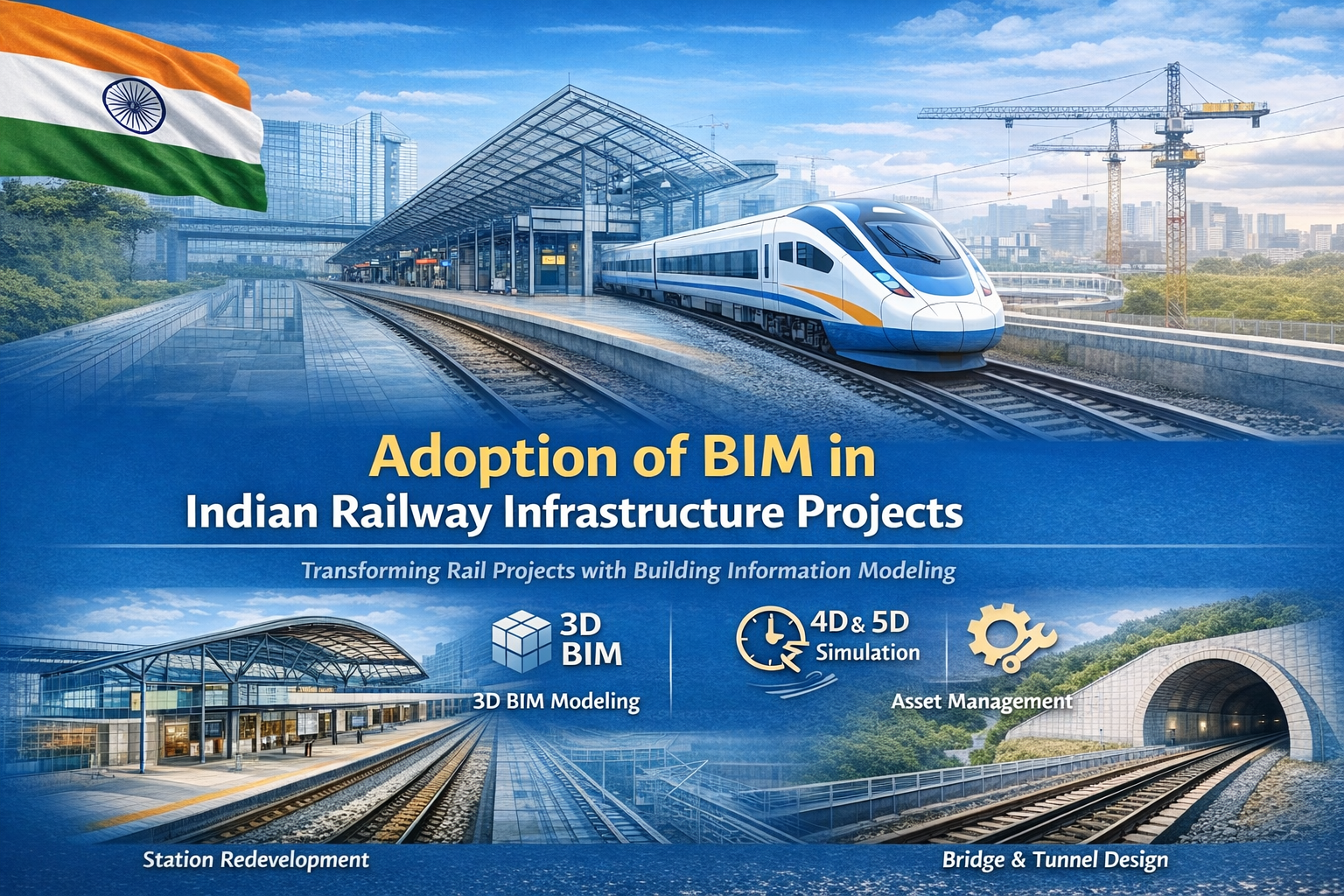
Adoption of BIM in Indian Railway Infrastructure Projects

AI Impact Summit: A Turning Point for India’s BIM & Construction Tech Industry