
Please wait

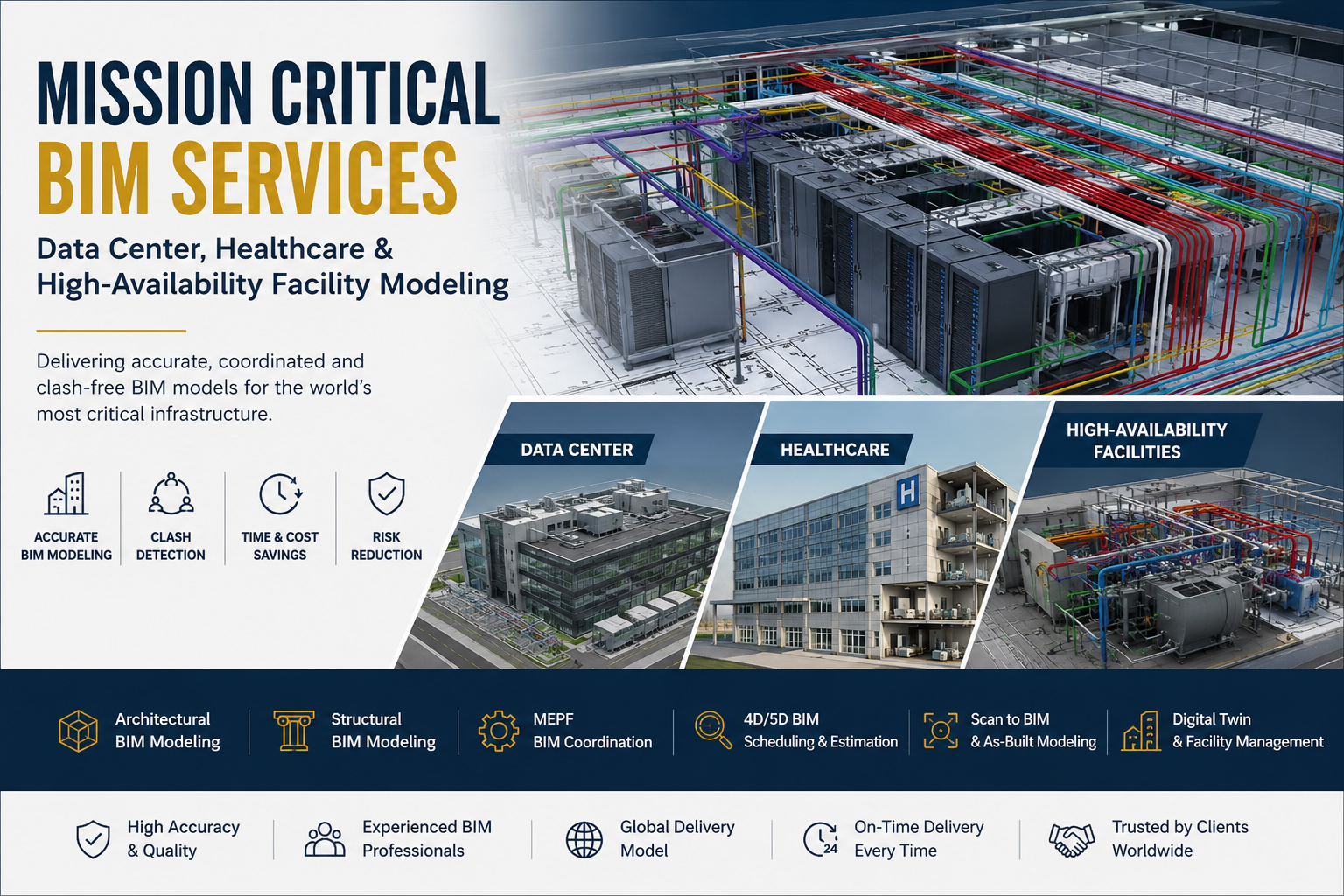
Mission Critical BIM Services: Data Center, Healthcare & High-Availability Facility Modeling
Most buildings can tolerate a punch-list item slipping through design review. A mission-critical facility cannot. When the asset in question is a data center hosting financial transactions, a hospital operating room, or a 24/7 emergency dispatch center, a single uncoordinated duct run or an underspecified electrical panel isn't a minor rework item — it's a potential outage, a patient safety event, or a six-figure change order discovered mid-construction. This is exactly the gap that dedicated mission critical facility modeling and MEP BIM coordination services are built to close.
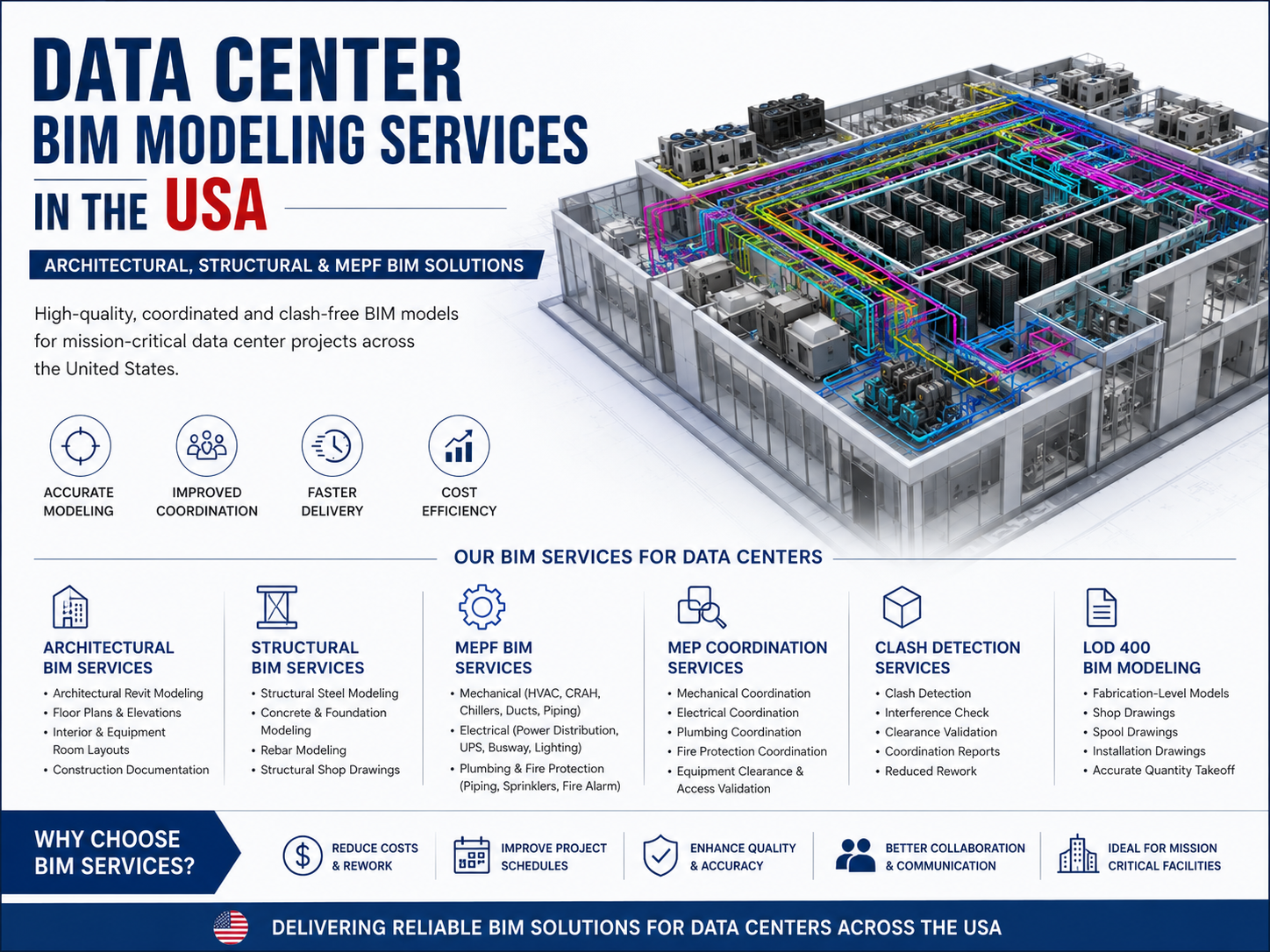
Data Center BIM Modeling Services in the USA | Architectural, Structural & MEPF BIM Solutions
The rapid growth of cloud computing, artificial intelligence, edge computing, and hyperscale infrastructure has significantly increased the demand for advanced data center facilities across the United States. As these mission-critical facilities become more complex, stakeholders are increasingly relying on Data Center BIM Modeling Services USA to streamline design, coordination, construction, and facility management.
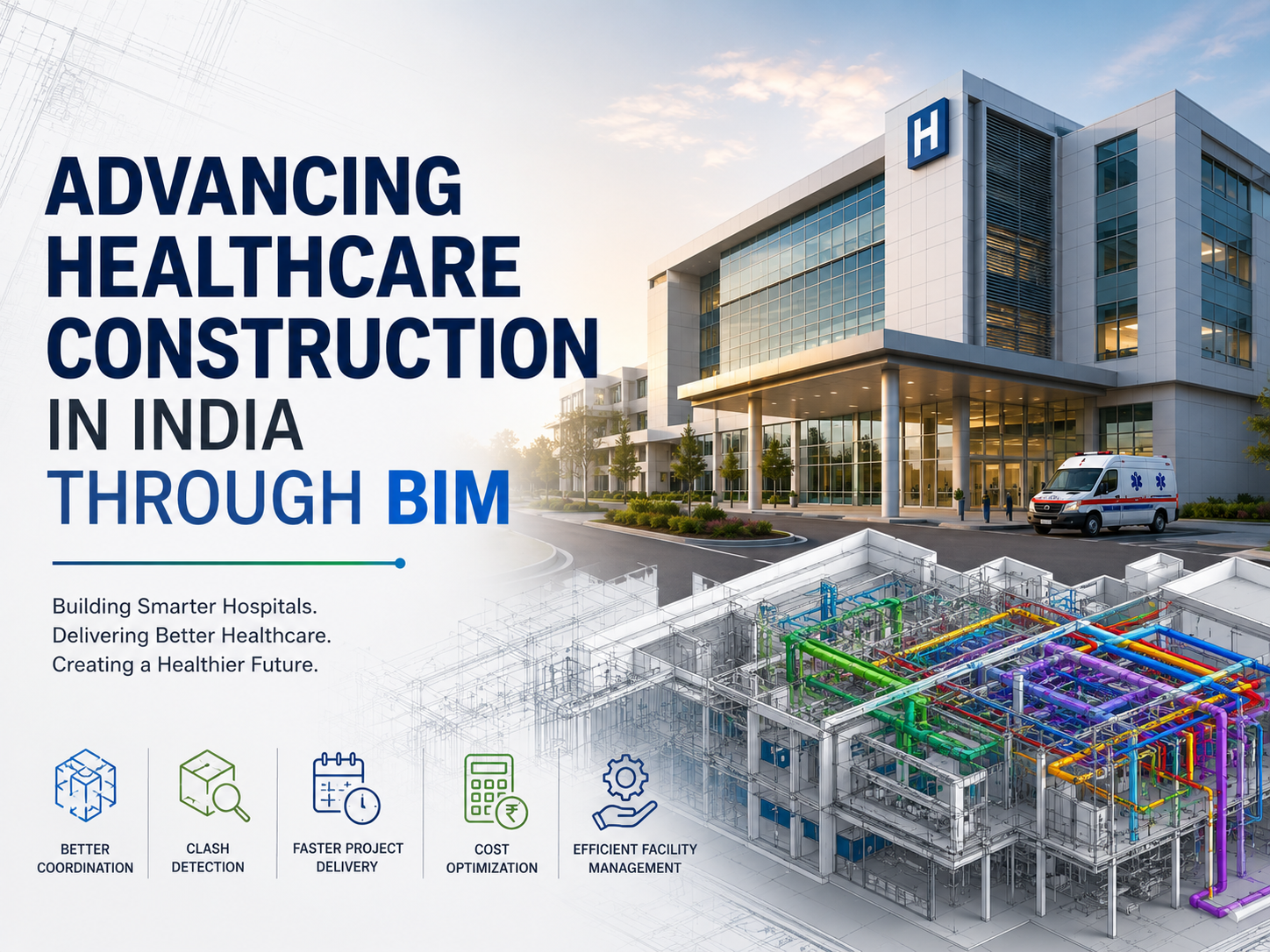
Advancing Healthcare Construction in India Through BIM
India’s healthcare infrastructure sector is expanding rapidly with the development of multi-specialty hospitals, medical colleges, diagnostic centers, and smart healthcare facilities. As these projects become more technically complex, the construction industry is increasingly adopting Building Information Modeling (BIM) to improve design coordination, reduce project risks, and accelerate project delivery.
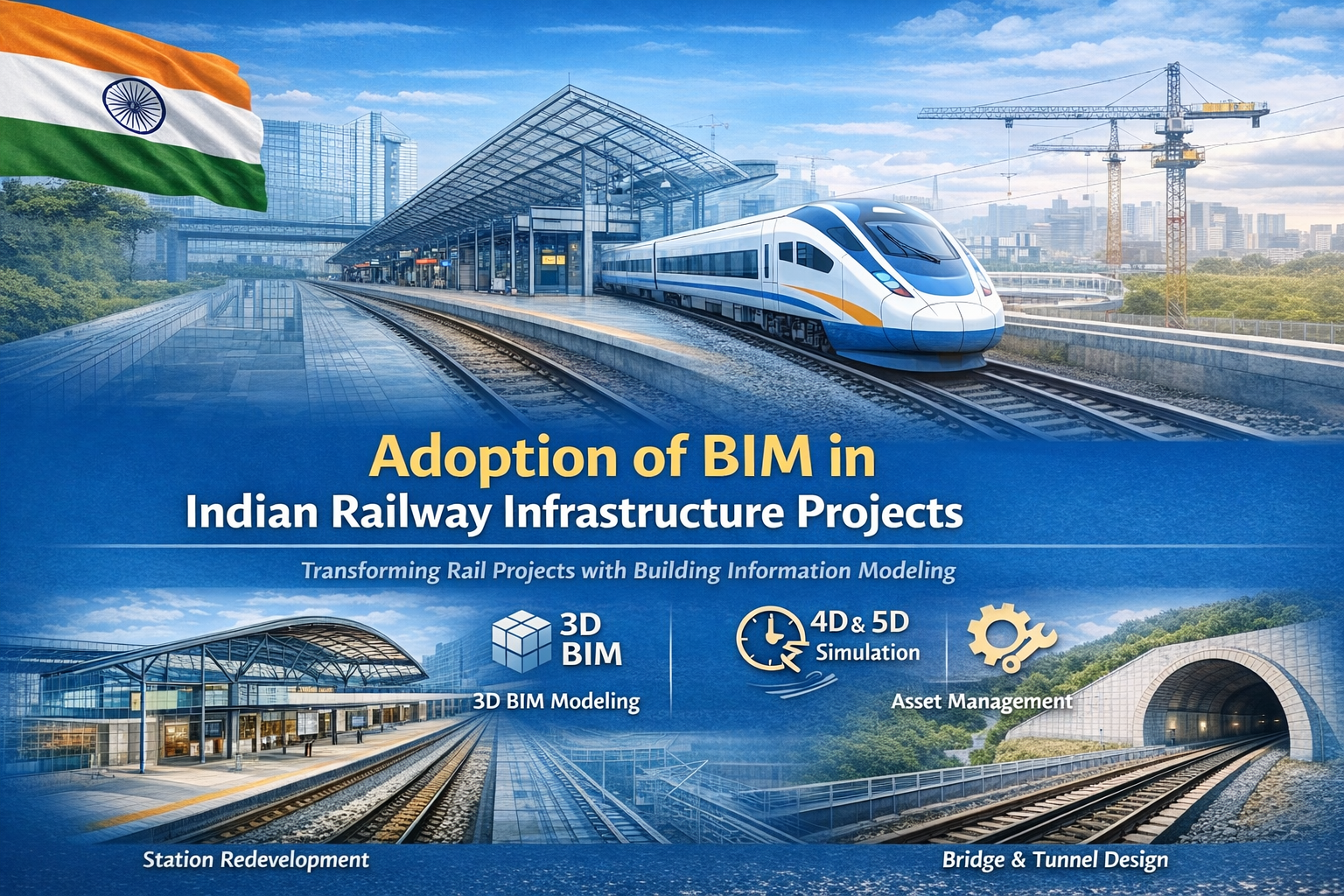
Adoption of BIM in Indian Railway Infrastructure Projects
India’s railway network is one of the largest and most complex in the world, carrying millions of passengers and vast freight volumes daily. As the country pushes toward modernization—high-speed corridors, station redevelopment, dedicated freight corridors—the need for smarter, more efficient project delivery has become unavoidable.
This is where Building Information Modeling (BIM) is transforming the landscape.
BIM is not just a 3D modeling tool—it is a data-driven process that integrates design, construction, and operations into a single digital workflow. In the context of Indian Railways, BIM is emerging as a key enabler for cost control, clash-free design, faster execution, and lifecycle management.

AI Impact Summit: A Turning Point for India’s BIM & Construction Tech Industry
The AI Impact Summit has emerged as a landmark event redefining how Artificial Intelligence integrates with core industries. But beyond discussions and innovation showcases, one major announcement stood out - massive investments in data centers and AI infrastructure worldwide.
For India’s BIM & Construction Technology sector, this is not just news. It is a billion-dollar opportunity.
For forward-thinking firms like Tathastu BIM Pvt Ltd, the AI Impact Summit signals the beginning of a new high-growth cycle.

India - US Trade Deal: A Game Changer for India’s BIM & AEC Industry
The proposed India - US Trade Deal is expected to redefine cross-border collaboration in architecture, engineering, and construction (AEC). For India’s rapidly growing BIM industry, this agreement could unlock unprecedented access to the world’s largest construction market - the United States.
For forward-looking firms like Tathastu BIM Pvt Ltd, this is not just a trade opportunity — it’s a strategic growth moment.
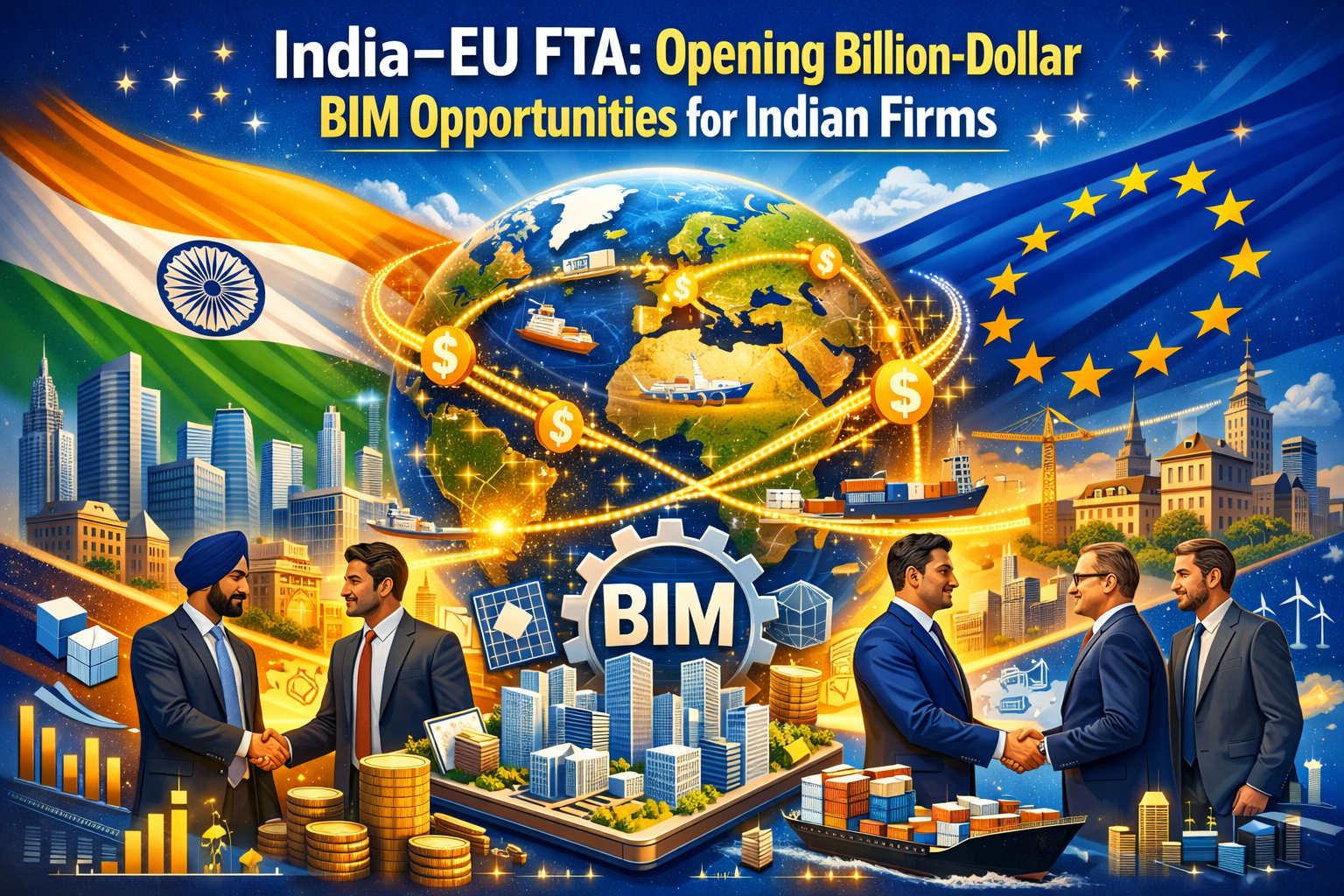
India–EU FTA: Opening Billion-Dollar BIM Opportunities for Indian Firms
The proposed India–European Union Free Trade Agreement (India–EU FTA) is more than a trade pact—it’s a structural shift in how services, talent, and digital expertise move across borders. For the Building Information Modeling (BIM) industry, this agreement could unlock billion-dollar opportunities for Indian firms ready to operate at global standards and compete with top BIM companies in Europe.
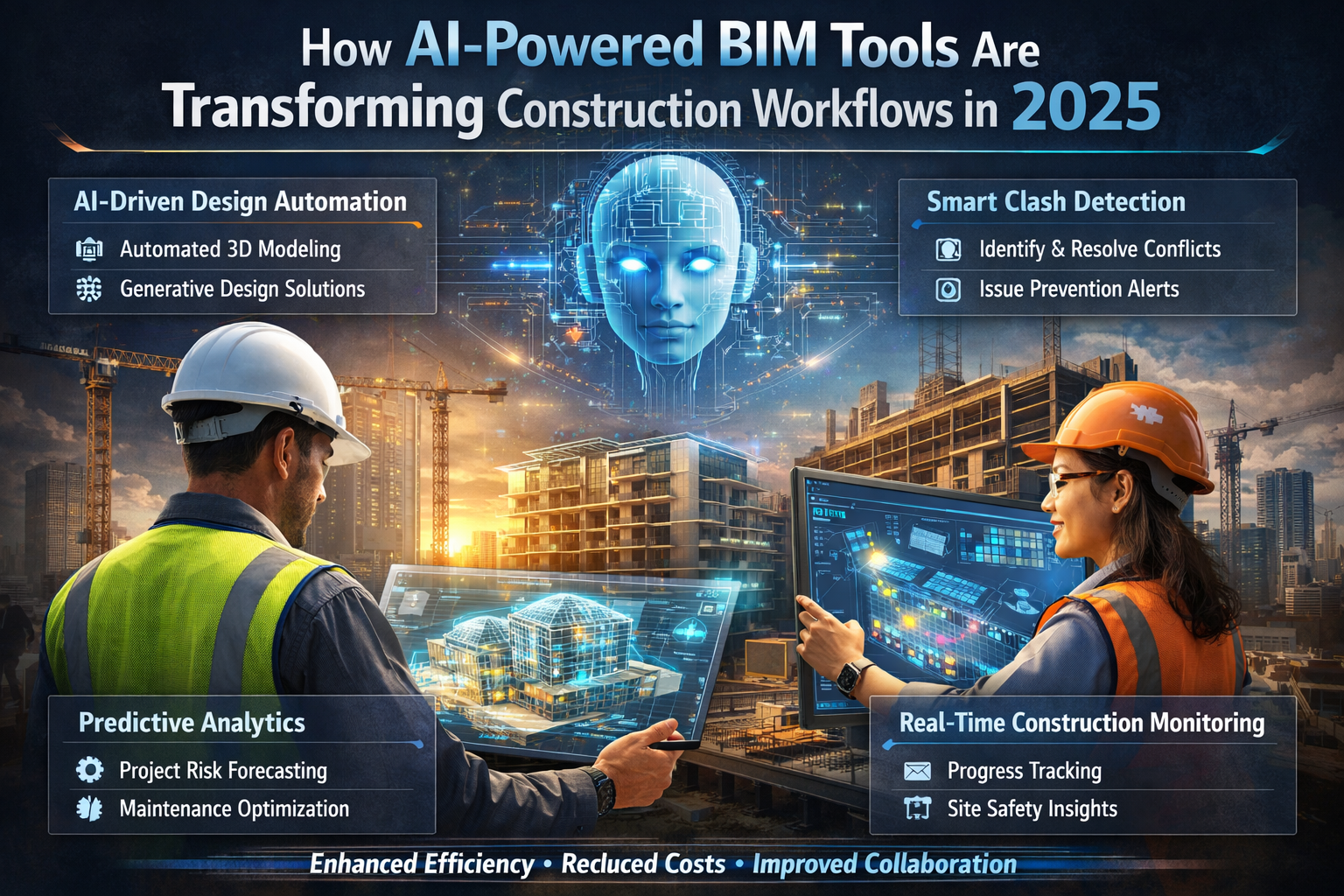
How AI-Powered BIM Tools Are Transforming Construction Workflows in 2025
In 2025 AI-powered BIM tools are changing how projects are designed, coordinated, and operated. This deep dive from Tathastu BIM Pvt Ltd explains AI in clash detection, generative modeling, analytics and digital twins - and why choosing the best BIM company (in the USA, Germany or Europe) matters for project success.
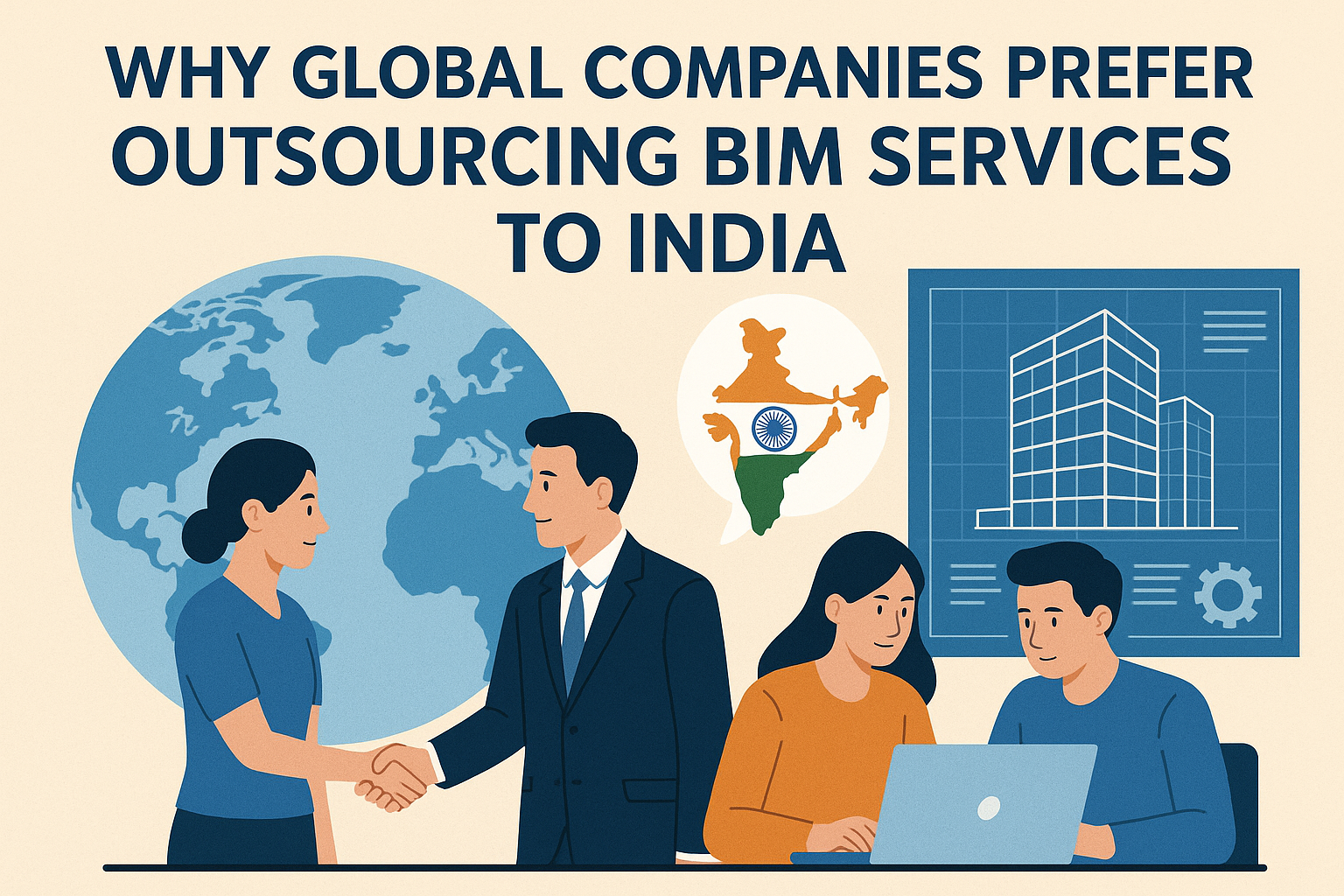
Why Global Companies Prefer Outsourcing BIM Services to India
In today’s fast-evolving AEC (Architecture, Engineering, and Construction) industry, Building Information Modeling (BIM) has revolutionized how infrastructure and buildings are designed, visualized, and executed. From digital 3D coordination to construction sequencing and facility management, BIM has become the foundation of modern project delivery.
However, for global firms—especially in the USA, Germany, and Europe—building an in-house BIM team can be complex, time-consuming, and costly. That’s why many of the best BIM companies in the USA, Germany, and Europe are increasingly outsourcing BIM services to India, where expertise, efficiency, and affordability converge.
