
From Energy Efficiency to Net Zero: Best Practices in Sustainable Building Construction
Are you considering a construction project but want to ensure its sustainable and environmentally friendly? Choosing the right materials can make all the difference. With so many options available, it can be overwhelming to decide which ones are truly sustainable. In this blog post, we will dive into the world of sustainable materials and provide tips on how to choose the best ones for your project. From recycled content to renewable resources, we have got you covered! Let us get started on making your construction project eco-friendly and socially responsible.
What is sustainable building construction?
Sustainable building construction is the practice of creating structures and using processes that are environmentally responsible and resource-efficient throughout a building’s life-cycle from siting to design, construction, operation, maintenance, renovation, and deconstruction.
A sustainable building is designed and built using an integrated approach to optimize all aspects of its performance, including energy use, water and material resources use, indoor air quality, acoustics, thermal comfort, daylighting (the amount of natural light in a space), durability, and lifecycle costs.
The goal of sustainable building construction is to create secure, healthy places to live and work while protecting our environment.
Benefits of sustainable building construction
There are many benefits to sustainable building construction, from energy efficiency to net zero. Here are some of the best practices in sustainable building construction:
- Energy Efficiency: One of the most important aspects of sustainable building construction is energy efficiency. By using less energy, buildings can reduce their environmental impact and save money on utility bills. There are many ways to make a building more energy efficient, including installing efficient windows and insulation, using solar power, and using green building materials.
- Net Zero: Net zero buildings are those that produce as much energy as they consume. This can be accomplished through a variety of means, such as using renewable energy sources like solar and wind power, or by making the buildings more energy efficient so that they use less energy overall. Net zero buildings are not only environmentally friendly, but also save money on energy costs over time.
- Green Building Materials: Another important aspect of sustainable building construction is the use of green building materials. These materials are made from renewable resources and are designed to be environmentally friendly throughout their lifecycle. Green building materials can include everything from bamboo flooring to recycled glass countertops. Using these materials can help reduce the environmental impact of a building and make it more sustainable overall.
- Water Conservation: Water is another important resource that needs to be conserved in order to build sustainably. There are many ways to conserve water in a building, such as using low-flow fixtures and recycling greywater for
Principles of energy efficiency in design and construction
In order to create a sustainable and energy efficient building, there are several principles that should be followed during the design and construction process. Some of these principles include:
- Use energy efficient materials and products: This includes using high-performance windows, insulation, and energy efficient lighting fixtures.
- Design for passive solar heating and cooling: This means taking advantage of the sun’s natural heat in the winter and preventing heat gain in the summer.
- Use natural ventilation: This can be achieved by incorporating features such as operable windows and strategic placement of vents.
- Implement a green roof: green roofs help to regulate building temperature, reduce stormwater runoff, and improve air quality.
- Install on-site renewable energy systems: Solar panels, wind turbines, and geothermal systems are all examples of renewable energy sources that can be used to power a building.
Strategies for reducing environmental impact
There are a few strategies that can be employed to reduce the environmental impact of building construction, from energy efficiency measures to using materials with a lower carbon footprint.
One way to reduce the environmental impact of buildings is to make them more energy efficient. This can be done through a variety of means, such as better insulation, using more efficient heating and cooling systems, and installing solar panels or other renewable energy sources.
Another strategy for reducing the environmental impact of buildings is to use materials with a lower carbon footprint. For example, using recycled steel or concrete in construction can help to reduce emissions from the production of these materials. Alternatively, using wood that has been certified by the Forest Stewardship Council (FSC) as coming from sustainably managed forests can help to offset the carbon emissions from its production and transportation.
Net Zero Energy Construction Basics
The commercial construction industry is under pressure to reduce the environmental impact of buildings. The LEED green building certification program has been instrumental in promoting energy efficiency and sustainable construction practices. However, the challenge for the industry now is to move beyond energy efficiency and towards net zero energy construction.
Net zero energy buildings are those that produce as much energy as they consume over the course of a year. This can be accomplished through a variety of means, including on-site renewable energy generation, super-insulation and passive solar design, and aggressive energy efficiency measures.
The benefits of net zero energy construction go beyond reducing greenhouse gas emissions. These buildings often have lower operating costs, increased resilience to power outages and grid disruptions, and improved indoor air quality.
There are a few challenges to achieving net zero energy status, but they are not insurmountable. The most important thing is to have a clear understanding of the goals and strategies involved. With that in mind, here are some basics of net zero energy construction:
- Establishing baseline data: In order to accurately assess progress towards net zero goals, it is important to first understand how much energy you are building currently uses. This can be done through utility bill analysis, submetering, or other means.
- Creating an action plan: Once you have a clear understanding of where your building stands in terms of energy consumption, you can develop a plan for moving forward. This plan should include specific targets for
How to integrate renewable energy sources into a structure
There are many ways to integrate renewable energy sources into a structure. One way is to use solar panels. Solar panels can be used to generate electricity or heat water. Another way is to use wind turbines. Wind turbines can be used to generate electricity or pump water. You can use biomass to generate electricity or heat water.
Innovative green technologies for sustainable construction
As the world becomes more aware of the need for sustainable practices, many innovative green technologies are being developed to help construction professionals build more environmentally friendly structures. One such technology is called Building Integrated Photovoltaics (BIPV), which uses solar panels to generate electricity while also serving as a structural element of the building. BIPV is an increasingly popular choice for new construction and can be used on both commercial and residential buildings.
Another innovative green technology is called Passive House Design (PHD). PHD is a holistic approach to building design that considers factors like insulation, thermal mass, ventilation, and airtightness to create a highly energy-efficient structure. PHD is an excellent choice for those looking to build a sustainable home or office as it can help reduce energy consumption by up to 90%.
Living Walls are another exciting green technology that is becoming more popular in sustainable building design. Living Walls are vertical gardens that are installed on the exterior of a building. Not only do they provide aesthetic value, but they also help to improve air quality and regulate temperature. Living Walls are an ideal solution for those looking to add greenery to their construction project in a sustainable way.
Conclusion
Sustainable building construction is the way of the future, and it is important that we start to implement best practices now. From energy efficiency measures, to net zero strategies such as renewable energy systems and carbon offsets, there are a variety of options available for creating buildings that use fewer resources while still offering high levels of comfort and functionality. By implementing these best practices in our projects going forward, we can ensure that our built environment contributes positively to the health of our planet in the long-term.
Popular Posts
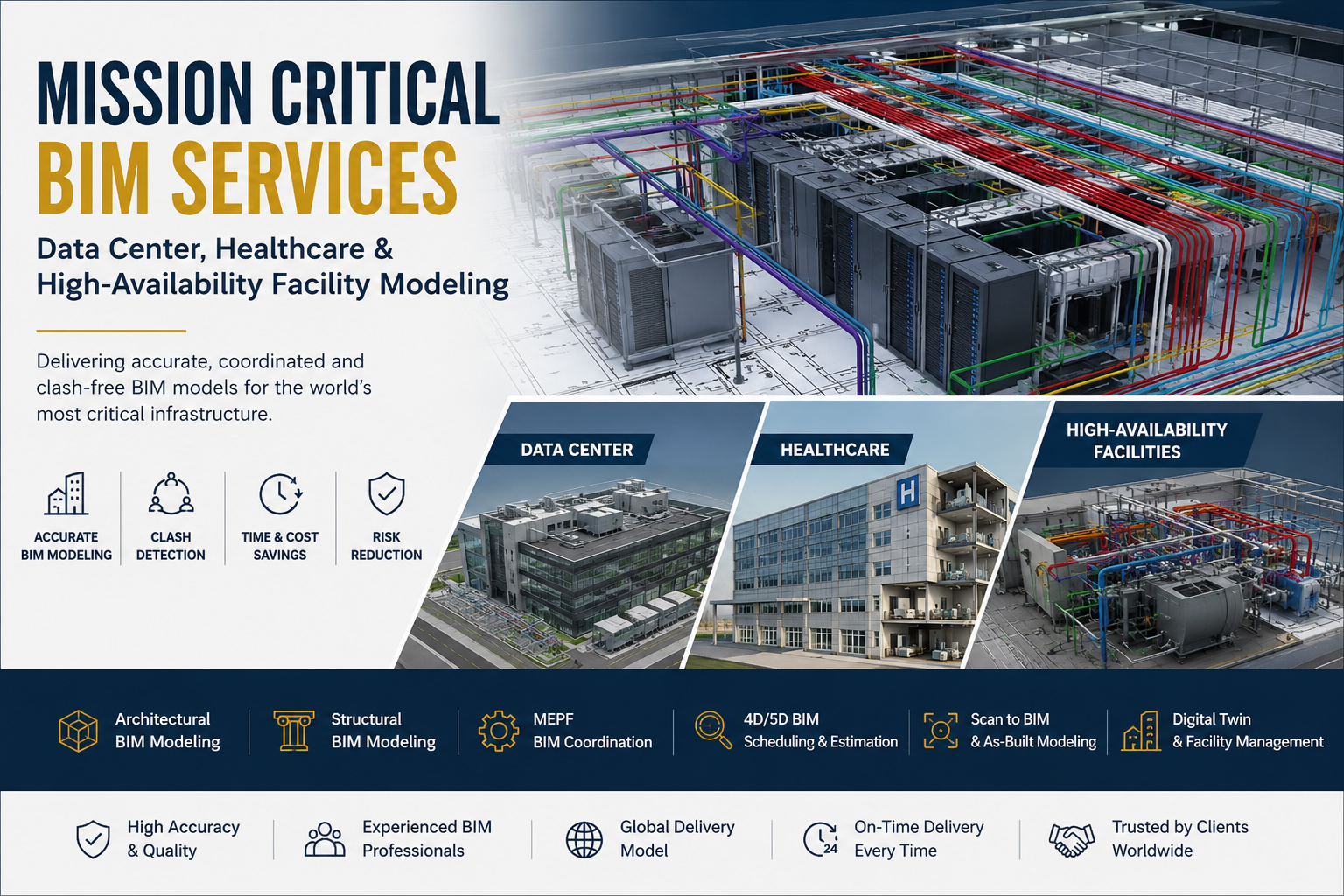
Mission Critical BIM Services: Data Center, Healthcare & High-Availability Facility Modeling
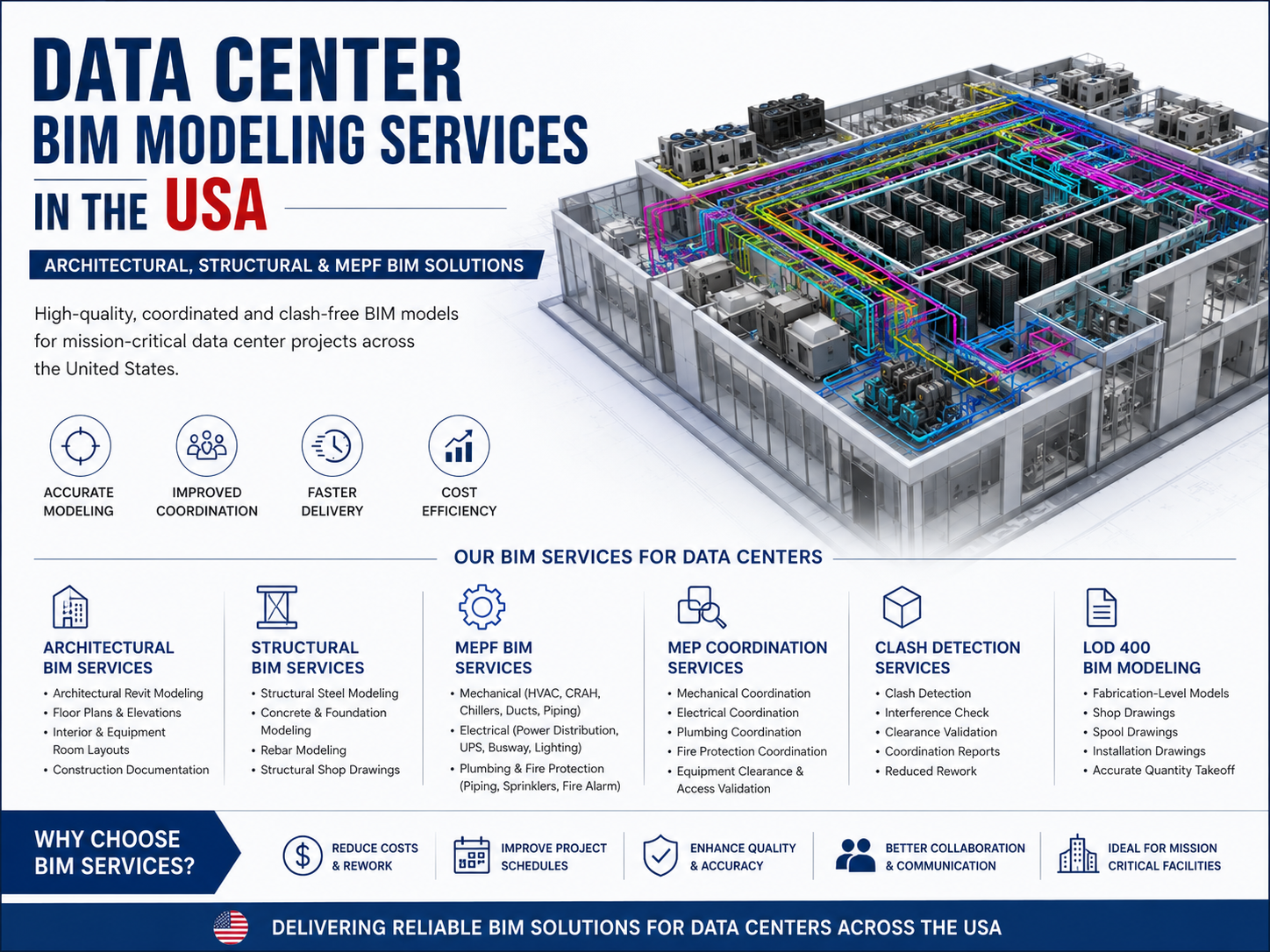
Data Center BIM Modeling Services in the USA | Architectural, Structural & MEPF BIM Solutions
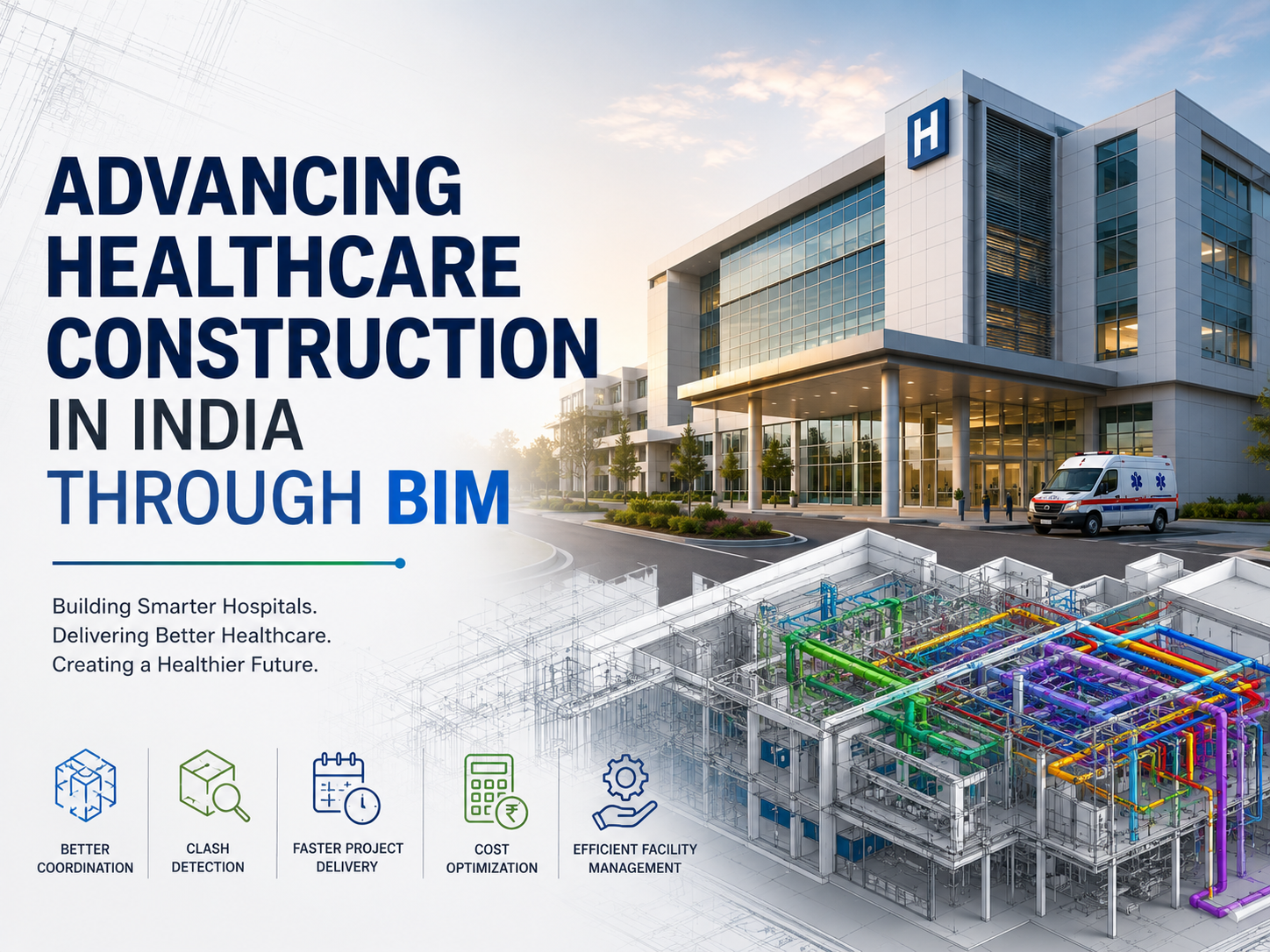
Advancing Healthcare Construction in India Through BIM
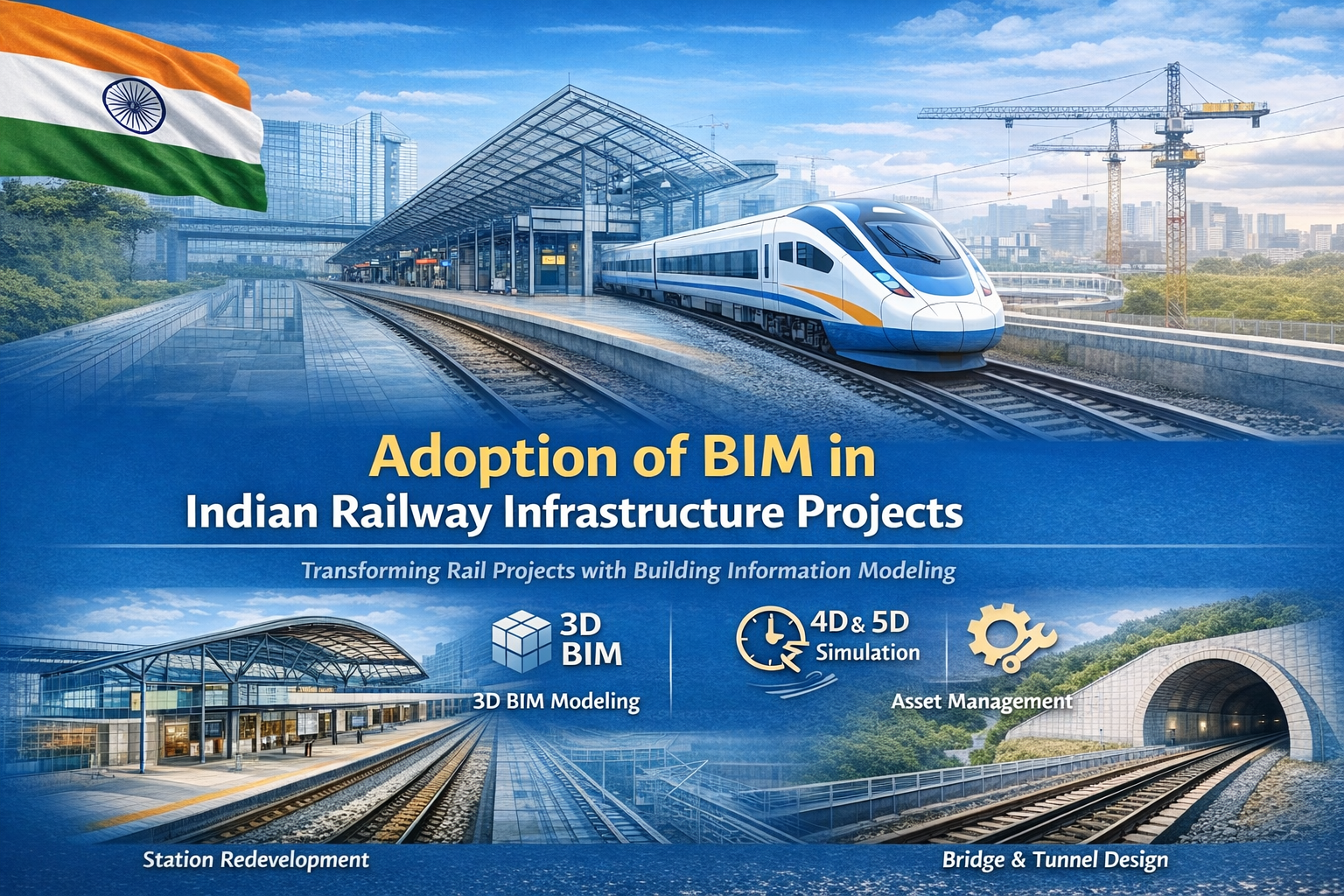
Adoption of BIM in Indian Railway Infrastructure Projects

AI Impact Summit: A Turning Point for India’s BIM & Construction Tech Industry