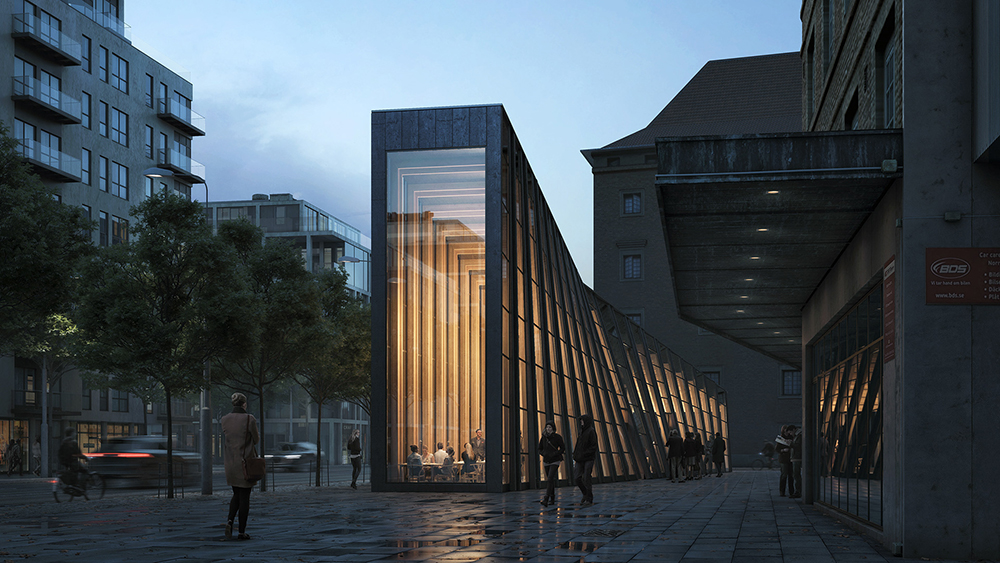

The Impact of CGI in the AEC Industry: Revolutionizing Visualization and Design
In recent years, the Architecture, Engineering, and Construction (AEC) industry has witnessed a dramatic transformation with the widespread adoption of Computer-Generated Imagery (CGI). This revolutionary technology has redefined the way architectural designs, engineering simulations, and construction projects are visualized, communicated, and executed. From enhancing design precision to enabling immersive virtual experiences, CGI has become an indispensable tool in the AEC industry, revolutionizing visualization and design processes.
Introduction
The introduction provides an overview of CGI’s growing significance in the AEC industry, highlighting its transformative impact on visualization, design, and project communication. It sets the stage for discussing the various aspects of CGI’s influence on the industry.
- Evolution of CGI in AEC
– The historical progression of CGI in the AEC industry, from its early applications to its current state-of-the-art uses.
– The technological advancements and software innovations that have propelled the integration of CGI into AEC workflows.
- Enhancing Architectural Visualization
– Exploring how CGI has revolutionized architectural visualization, enabling lifelike renderings, virtual tours, and photorealistic representations of unbuilt structures.
– Discussing the impact of CGI on design communication, client presentations, and stakeholder engagement in architectural projects.
- Empowering Engineering Simulations
– Examining the role of CGI in engineering simulations, encompassing structural analysis, fluid dynamics, and environmental impact assessments.
– Showcasing how CGI-based simulations have improved design validation, performance evaluation, and risk mitigation in engineering projects.
- Transforming Construction Planning
– Illustrating how CGI has transformed construction planning through 3D modeling, virtual prototyping, and construction phasing simulations.
– Highlighting the benefits of CGI in pre-construction visualization, clash detection, and construction sequencing for improved project planning and execution.
Innovative Uses of CGI in Urban Development
– Showcasing innovative applications of CGI in urban development projects, including master planning, smart city visualization, and infrastructure design.
– Discussing the role of CGI in urban revitalization, public engagement, and policy-making for sustainable urban development initiatives.
Challenges and Opportunities
– Addressing the challenges associated with CGI adoption in the AEC industry, such as data integration, skill requirements, and software compatibility.
– Exploring the opportunities for further advancements in CGI technology, including real-time rendering, virtual reality applications, and sustainable design simulations.
Case Studies and Success Stories
– Presenting compelling case studies and success stories that demonstrate the transformative impact of CGI on AEC projects.
– Showcasing iconic architectural designs, large-scale infrastructure developments, and urban revitalization initiatives that have benefitted from CGI integration.
- Conclusion: Embracing the CGI Revolution
– Summarizing the transformative power of CGI in the AEC industry and advocating for its widespread adoption.
– Emphasizing the potential of CGI to drive innovation, improve project outcomes, and elevate the visual representation of architectural and construction endeavors.
Conclusion
The conclusion serves to reiterate the profound influence of CGI on visualization, design, communication, and project execution within the AEC industry. It emphasizes CGI’s role as a game-changing technology, shaping the industry’s evolution and advancement. The conclusion also underscores the potential for further innovation and growth through the continued embrace of CGI in AEC workflows.
By delving into the impact of CGI in the AEC industry, this blog post aims to elucidate the transformative power of CGI on visualization, design, communication, and project execution, ultimately positioning it as a game-changing technology for the industry’s continued evolution and advancement.
Popular Posts
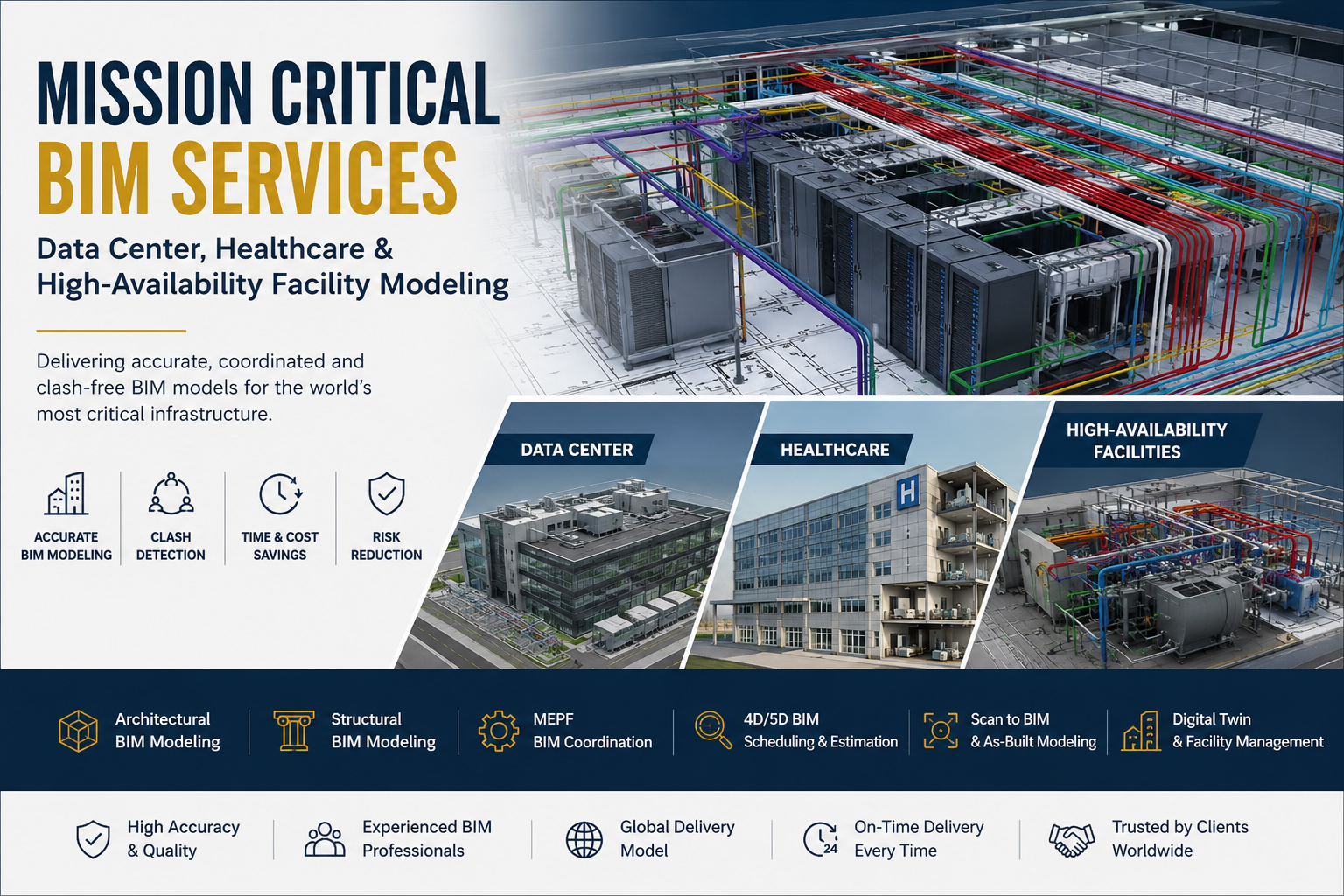
Mission Critical BIM Services: Data Center, Healthcare & High-Availability Facility Modeling
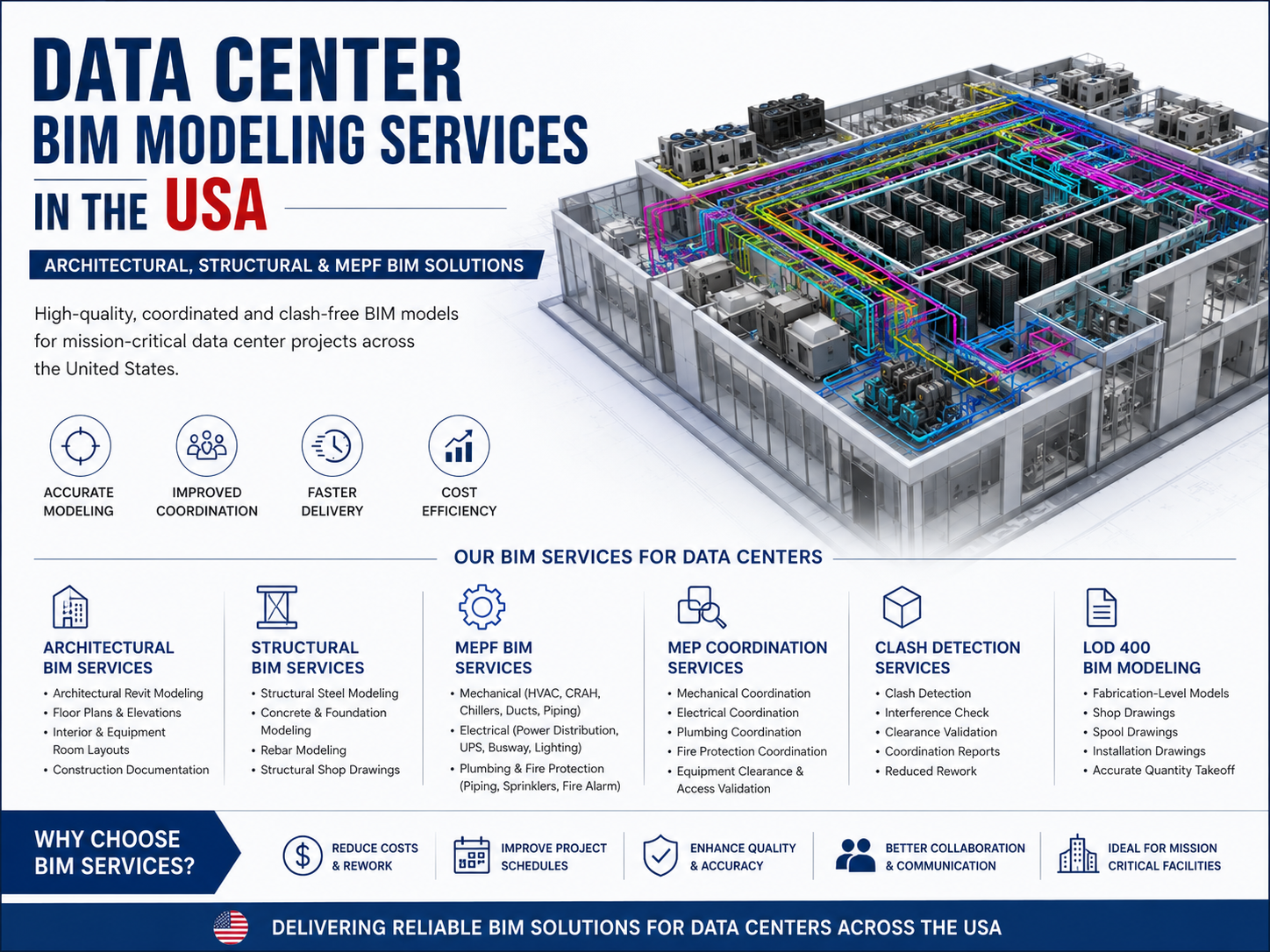
Data Center BIM Modeling Services in the USA | Architectural, Structural & MEPF BIM Solutions
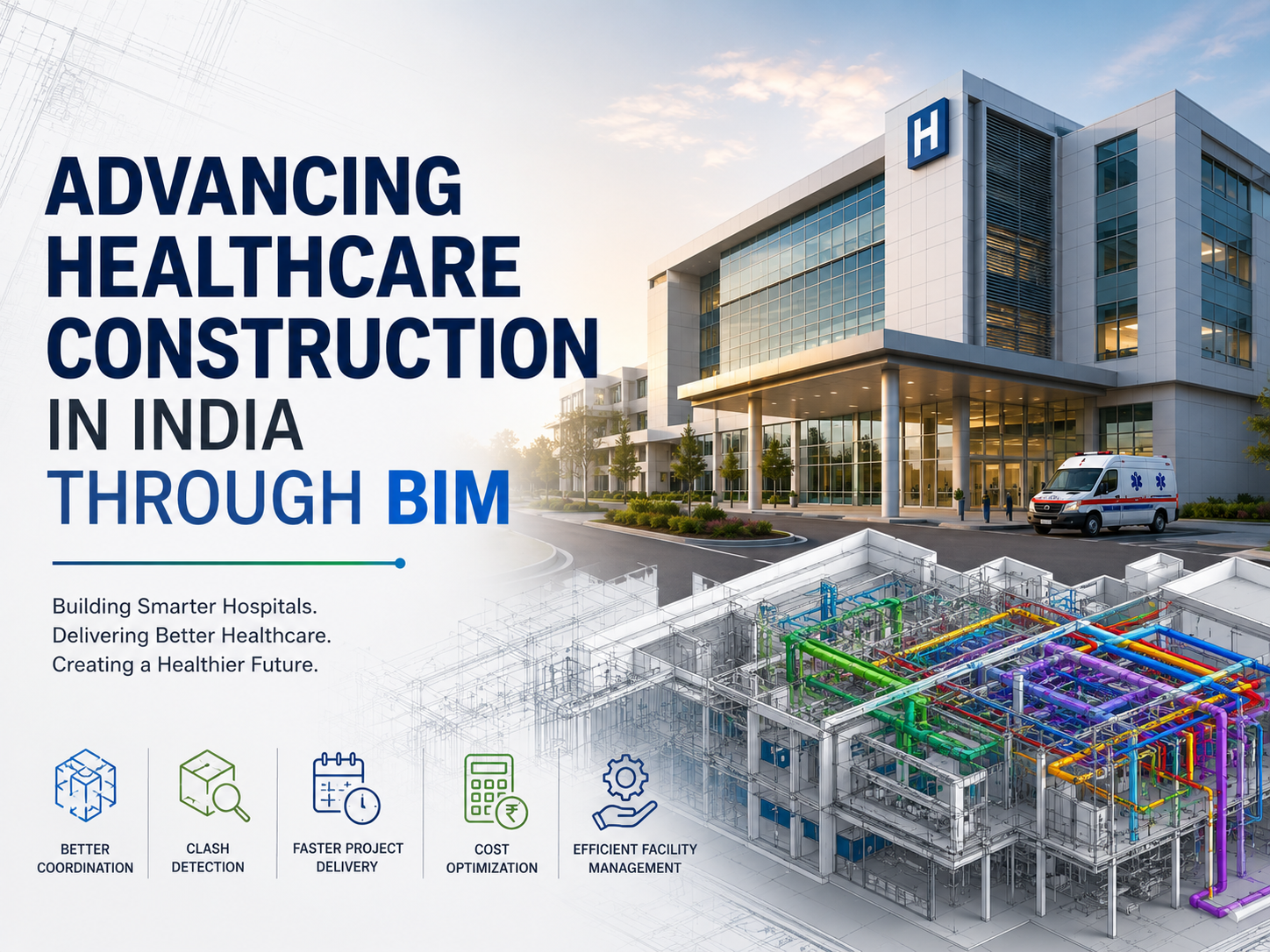
Advancing Healthcare Construction in India Through BIM
Adoption of BIM in Indian Railway Infrastructure Projects

AI Impact Summit: A Turning Point for India’s BIM & Construction Tech Industry