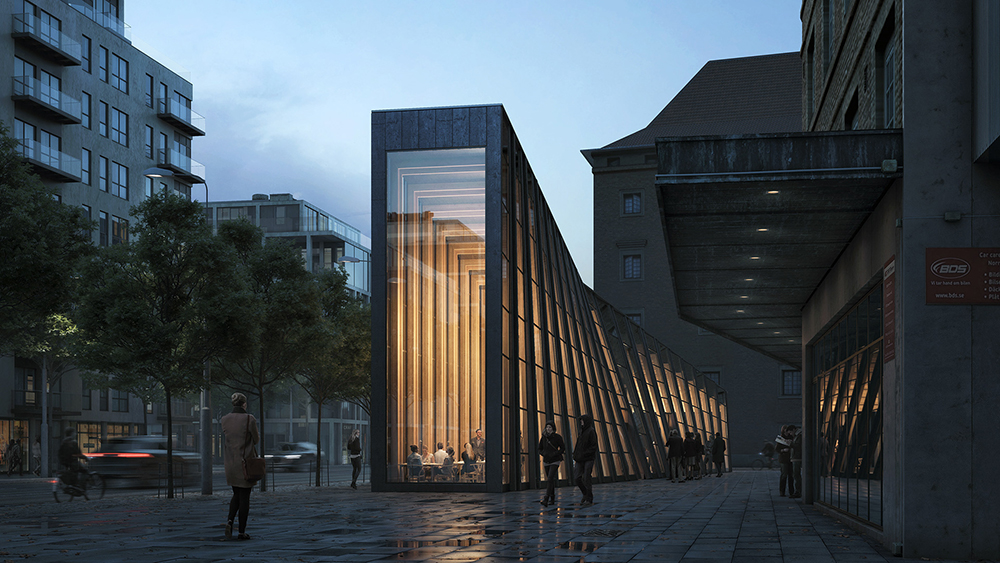

The ROI of Scan to BIM: How Investing in Technology can Save Time and Money in AEC Industries
In today’s fast-paced world, it’s essential to stay ahead of the game in every industry. And for architecture, engineering, and construction (AEC) professionals, embracing new technologies can make all the difference. Enter Scan to BIM – a cutting-edge tool that combines laser scanning technology with Building Information Modeling (BIM) software to create detailed 3D models of buildings and infrastructure. But why should you invest in this technology? In this blog post, we will explore how Scan to BIM can help save time and money while improving accuracy in AEC industries. Get ready to discover the ROI of Scan to BIM!
Introduction to Scan to BIM
As AEC professionals know, the Building Information Modeling (BIM) process can be time consuming and expensive. In order to save time and money, many firms are now turning to scan to BIM workflows. Scan to BIM is a process that uses 3D laser scanning technology to create a digital model of an existing physical space. This digital model can then be used to generate a BIM model.
There are many benefits to using scan to BIM workflows. First, they can save a significant amount of time in the modeling process. Second, they can improve the accuracy of the BIM model. And third, they can provide valuable insights that would otherwise be unavailable.
If you are considering implementing scan to BIM workflows in your firm, there are a few things you should keep in mind. First, you will need to invest in 3D laser scanning hardware and software. Second, you will need to train your staff on how to use the new technology. And third, you will need to develop new processes and protocols for incorporating scan data into your BIM models.
While there is an upfront investment required for implementing scan to BIM workflows, the long-term savings and benefits outweigh the costs. If you are looking for ways to save time and money in your AEC business, scan to BIM is worth considering.
What is the ROI of Scan to BIM?
The ROI of Scan to BIM can be significant for AEC firms. By automating the documentation process, firms can save time and money while improving the quality of their deliverables. In addition, Scan to BIM can help firms avoid potential errors and omissions in their project documentation.
Time and Cost Saving Benefits for AEC Industries in the US, UK, and Canada
In AEC industries, time is money. And when it comes to construction, the stakes are even higher. That’s why investing in technology that can save time and money is a no-brainer for any business in this industry.
One such technology is scan to BIM. Scan to BIM is a process that uses 3D scanners to create digital models of existing structures. These models can then be used to plan and construct new buildings more efficiently.
There are many benefits of using scan to BIM, but here are three of the most important:
- Time Saving: With scan to BIM, there is no need to send surveyors out to measure existing structures manually. This can save weeks or even months off the construction schedule.
Cost Saving: Not only does scan to BIM save time, it also saves money. By eliminating the need for manual surveys, businesses can avoid paying for expensive survey equipment and labor costs.
- Increased accuracy: One of the biggest benefits of using scan to BIM is the increased accuracy it provides. With digital models, there is far less room for error when planning and constructing new buildings. This can save businesses a significant amount of money in the long run by avoiding costly mistakes and delays.
How Can Architects and Engineers Leverage Scan to BIM Technology?
As the world of construction continues to grow and evolve, so too does the technology that architects and engineers use to complete their projects. One of the most popular and important pieces of technology in recent years has been scan to BIM technology, which allows users to create a digital model of a physical space quickly and easily. This can be extremely helpful in several different ways, from reducing the time needed to complete a project to improving accuracy and reducing errors.
There are many ways that architects and engineers can leverage scan to BIM technology, but some of the most common include:
- Creating as-built models: One of the most important uses of scan to BIM technology is creating as-built models. These models can be used for a variety of purposes, including understanding how a space has changed over time or identifying potential problems that need to be addressed.
clash detection: Another common use for scan to BIM data is clash detection. This is the process of identifying potential conflicts between different elements of a design, such as walls and ductwork. This can save a significant amount of time during the construction process, as it can help avoid potential delays or problems down the line.
quantity takeoff: Quantity takeoff is another process that can be greatly aided by scan to BIM data. This involves creating an accurate estimate of the materials needed for a project, which can be extremely helpful in both budgeting and planning stages.
Challenges Faced by Architects and Engineers when Utilizing Scan to BIM Technology
There are several challenges faced by architects and engineers when utilizing scan to BIM technology. One of the biggest challenges is the lack of understanding of the technology by those who are not familiar with it. This can lead to a lack of trust in the technology and its ability to provide accurate results. Another challenge is the high cost of scanning equipment and software, which can make it difficult for small firms or individual practitioners to invest in this type of technology. There is a lack of standardization in the use of scan to BIM technology, which can make it difficult for architects and engineers to exchange data between different software platforms.
Conclusion
Scan to BIM technology offers AEC industries a powerful way to capture data quickly and accurately and convert it into useful information. Investing in the right scan to BIM solution can save time, money, and resources while streamlining the design process. The ROI of scanning to BIM is clear: you get more accurate results faster, with fewer mistakes and less waste. By investing in modern technologies like this, organizations can stay competitive in today’s ever-evolving market place.
Popular Posts
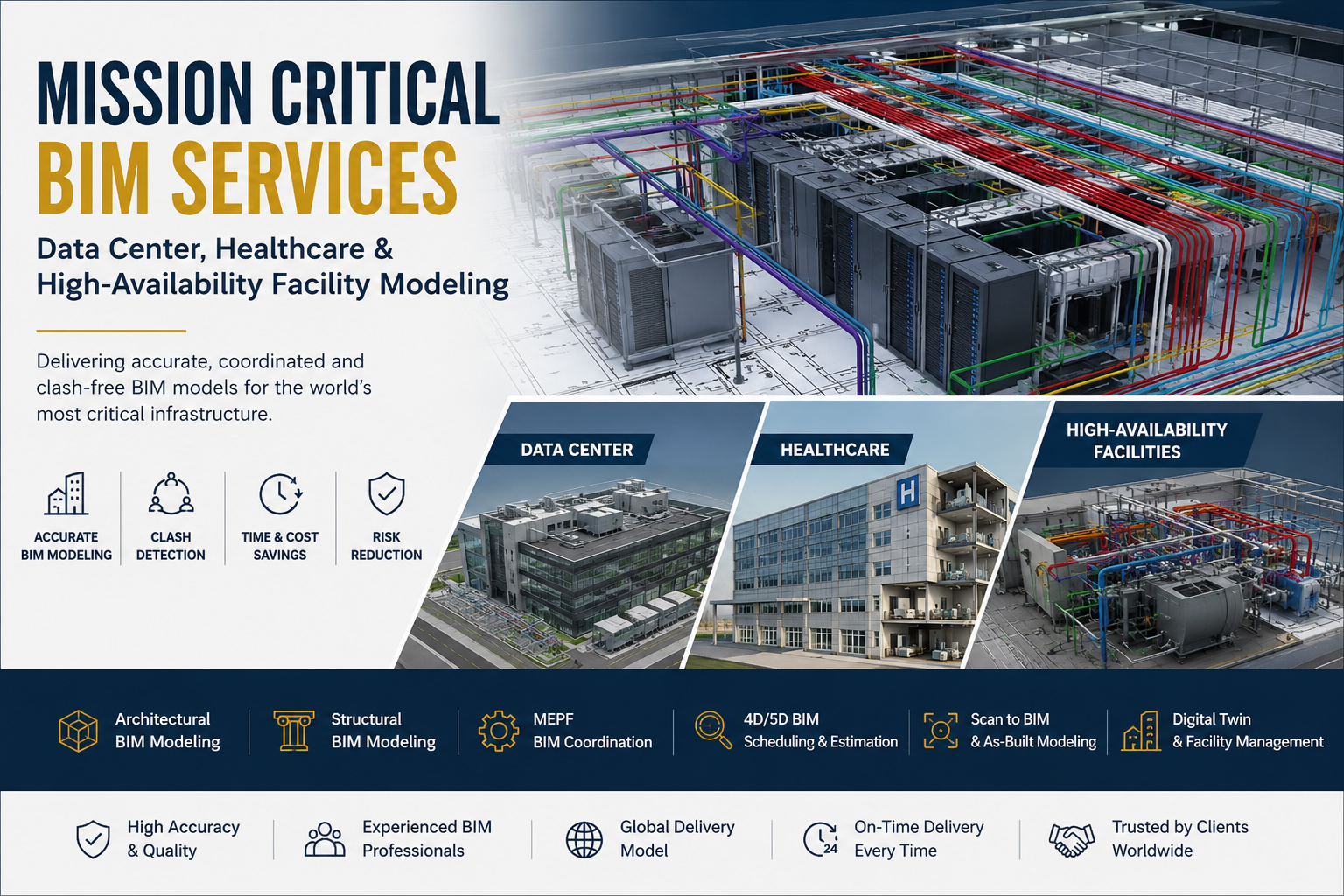
Mission Critical BIM Services: Data Center, Healthcare & High-Availability Facility Modeling
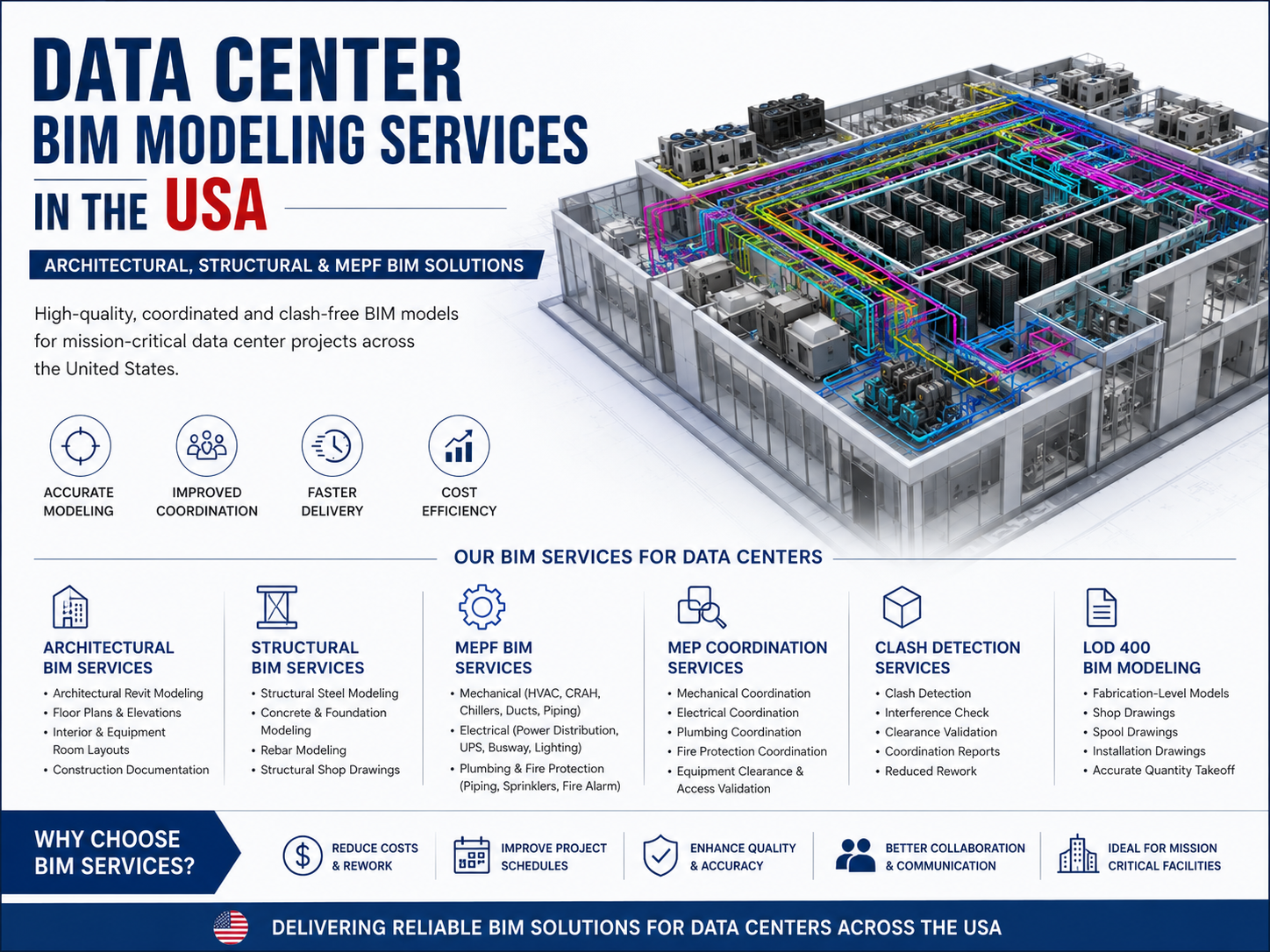
Data Center BIM Modeling Services in the USA | Architectural, Structural & MEPF BIM Solutions
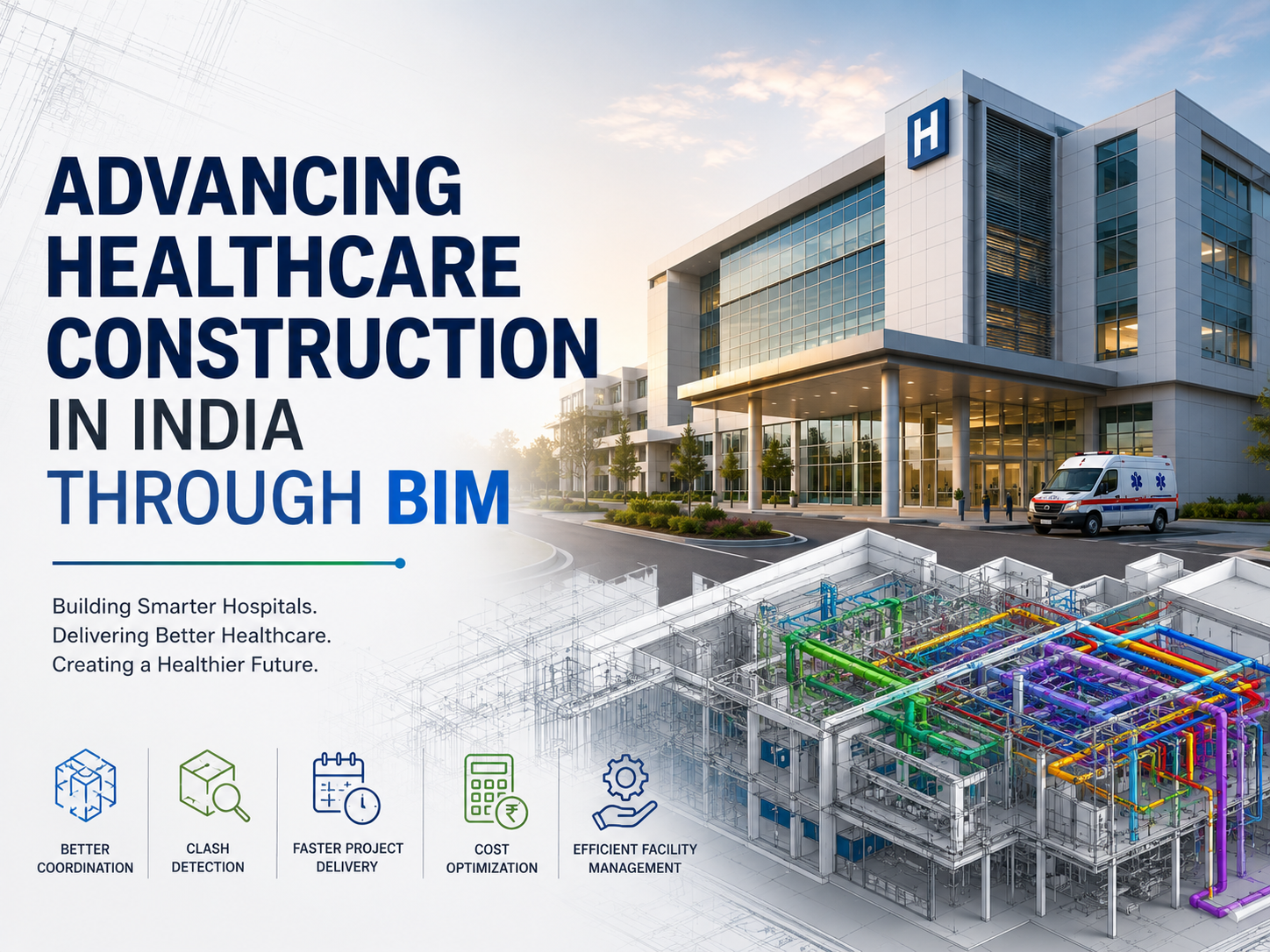
Advancing Healthcare Construction in India Through BIM
Adoption of BIM in Indian Railway Infrastructure Projects

AI Impact Summit: A Turning Point for India’s BIM & Construction Tech Industry